Knee osteoarthritis
Daniel Smit | Physiotherapist
Understanding your knee and finding a way forward
Knee osteoarthritis can cause pain, stiffness, swelling and difficulty with everyday activities. Symptoms can change from day to day, but there are practical ways to improve strength, confidence and function. A tailored plan starts with understanding what matters to you, staying active and building capacity over time.
The key message
A scan does not define how your knee will feel or what you can do. Exercise, education and a plan that fits your life are central parts of care.
What is knee osteoarthritis
Osteoarthritis is a whole-joint condition involving changes in cartilage, bone and other joint tissues. It is common, especially as people get older, and affects people in different ways. The amount of change seen on an X-ray does not reliably predict how much pain or difficulty someone will experience.
Pain is real, but it is influenced by more than the joint image. Activity levels, muscle strength, sleep, stress, other health conditions and confidence moving can all affect symptoms. A flare does not automatically mean you have damaged your knee.
Common symptoms
People may notice pain with walking, stairs, standing from a chair or longer periods of activity; stiffness after rest or first thing in the morning; swelling; reduced strength; or a feeling that the knee is less steady. Symptoms often vary. A clinician can assess your history, movement and goals to check whether osteoarthritis is the most likely explanation or whether another condition needs attention.
How is it diagnosed
For many people aged 45 and over with a typical history and examination, knee osteoarthritis can be diagnosed clinically. Imaging is not routinely needed to confirm it or begin effective treatment. If imaging is needed because the presentation is unusual, symptoms follow an injury, or the result would change care, an X-ray is generally the first imaging test. MRI is not usually needed to diagnose osteoarthritis.
What can help
Exercise and physical activity
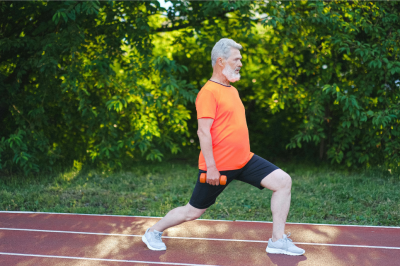
Regular, tailored exercise is a core treatment. A programme may combine strengthening, balance, mobility and aerobic activity such as walking, cycling or water-based exercise. The best starting point is one you can do consistently and adapt to your symptoms, preferences and access.
A physiotherapist can help set a suitable starting level, choose exercises linked to your goals and progress the plan. Some temporary discomfort when starting or progressing exercise can occur. It should settle towards your usual level after activity. If pain or swelling is noticeably worse and remains elevated into the next day, reduce the next session and build up more gradually. Seek individual advice if you are unsure.
Using GLA:D principles in individual physiotherapy
GLA:D® stands for Good Life with osteoArthritis: Denmark. GLA:D® Australia is a structured education and supervised exercise programme for hip or knee osteoarthritis. The full programme includes an initial assessment, two education sessions, 12 supervised exercise sessions and follow-up.
Daniel has completed GLA:D® Australia clinician training. Strides Health Group does not currently offer the full formal GLA:D® programme. When appropriate, relevant education and exercise principles may be incorporated into individual physiotherapy sessions and tailored to your goals. Individual physiotherapy is not the formal GLA:D® programme. Ask us about an approach that suits you.
Build activity into daily life
Try to avoid an all-or-nothing cycle of doing too much on a good day and then stopping completely. Pacing, planned breaks and gradually increasing walking or other meaningful activities can help build consistency. Choose goals that matter to you, such as getting around the shops, gardening, playing with family or returning to a hobby.
Weight and nutrition, when relevant
If you are living with higher body weight, support for gradual weight reduction may reduce pressure on the knee and improve symptoms for some people. Discuss this respectfully in the context of your health, preferences and circumstances. Exercise remains helpful at any body size. A GP or dietitian can help with a safe, sustainable approach.
Symptom relief and other supports
A GP or pharmacist can discuss medicines and other pain-relief options, including possible benefits, risks and interactions for your health situation. Some people find a walking aid useful for a period or for longer distances. Hands-on treatment may provide short-term relief for some people, but is usually most useful alongside exercise and self-management.
When should I seek advice
Arrange an assessment if knee symptoms limit daily activities, affect sleep, worsen, or make it hard to stay active. Seek urgent medical care for a suddenly hot, red, very swollen knee with fever or feeling unwell; a major injury or inability to bear weight; or new severe symptoms that are rapidly worsening.
What if symptoms remain severe
If pain and function remain substantially affected despite a well-supported course of non-surgical care, talk with your GP or treating clinician about a review and whether specialist assessment is appropriate. Joint replacement may be considered when symptoms and disability remain severe. Surgery is a decision made with you after discussing expected benefits, risks and alternatives.
A useful first step
Choose one activity that matters to you. Start at a manageable level, keep it regular and review your progress with your physiotherapist or GP.
Download the knee osteoarthritis handout (PDF)
References and further information
- Australian Commission on Safety and Quality in Health Care. Osteoarthritis of the Knee Clinical Care Standard. 2024. Read online
- GLA:D® Australia. Program Overview. Read online
- GLA:D® Australia. Information for Participants. Read online
- Healthdirect Australia. Osteoarthritis. Read online
This information is general and does not replace an individual assessment or medical advice.
Book an adult physiotherapy appointment or call 0411 876 851.
Related resources and physiotherapy support
Explore Adult Physiotherapy in Narre Warren. Selected appointments are available in Nunawading. View appointment and booking information or ask us about your needs.