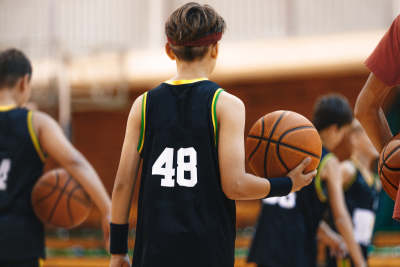
Supporting Your Adolescent Athlete Through Growth and Training
Daniel Smit | APA Titled Paediatric Physiotherapist
Strides Health Group | Strides Performance
Sport can be a rewarding part of adolescence, offering opportunities to develop skills, build friendships and enjoy being active. As young athletes grow, their training needs can change. Supporting progress means considering the whole person, including growth, school demands, recovery and enjoyment—not just results.
This guide explains how families can support young athletes through those changes and when physiotherapy or medical assessment may be helpful.
Growth changes the training picture
Young people of the same age can be at very different stages of physical development. A change in height, strength or coordination may affect how training feels, and comparisons with teammates do not always reflect an athlete’s progress. Growth and maturation are associated with changing injury patterns, although individual responses vary. [1, 2]
Pain around the knee or heel can occur during the growing years, including conditions such as Osgood–Schlatter disease and Sever’s disease. Persistent pain should not simply be dismissed as growing pains. An assessment can help identify the cause and guide appropriate activity.
Look at the whole training week
Club sessions are only part of an athlete’s workload. School sport, gym sessions, competitions and additional practice all contribute. Exams, travel and early starts can also reduce opportunities to recover. [3]
Keep a shared weekly calendar and speak with coaches when demands overlap. Build training gradually, particularly after illness, injury or a break. There is no single weekly schedule that suits every adolescent athlete.
For example, a swimmer’s week might include pool training, dryland sessions and a school carnival. Adding extra gym work during that week should involve discussion about the total demands and available recovery, rather than treating each activity separately.
Build strength with appropriate guidance
Resistance training can improve strength and aspects of physical performance in young athletes. Programmes should match the athlete’s experience, development and goals, with appropriate supervision and gradual progression. [1, 4]
A programme might include squatting, stepping, pushing, pulling and landing tasks. The choice of exercises and resistance should reflect the individual and their sport. Consistent training and learning movement skills matter more than chasing heavier weights.
Make recovery part of the plan
Training provides a stimulus; recovery allows adaptation. Regular meals and snacks, access to fluids, sufficient sleep and planned time away from demanding training help support an athlete’s health. Ongoing fatigue deserves attention rather than automatically being treated as a sign to train harder. [1, 3]
Teenagers aged 13–18 are generally recommended to sleep 8–10 hours per 24 hours. Early training sessions need to be considered alongside bedtime and school commitments. [5]
The American Academy of Pediatrics recommends aiming for at least 1–2 days each week away from competition and sport-specific training. Discuss how to plan recovery with coaches, particularly when an athlete trains or competes across several teams. [3]
If eating enough is difficult, fatigue persists or there are concerns about growth or menstrual health, seek advice from a GP and an accredited sports dietitian.
Know when to seek assessment
Arrange assessment when pain keeps returning, changes how an athlete moves or limits participation. Other reasons to seek advice include swelling, limping, difficulty with daily activities or a sustained decline in performance accompanied by fatigue.
Seek prompt medical assessment for inability to bear weight, significant swelling or deformity after injury, pain associated with fever or feeling unwell, or unexplained pain at rest or at night.
Pain does not always mean that all activity must stop, but the cause matters. A treating professional can help decide what to modify, what can continue and how to progress safely.
How physiotherapy can help
Physiotherapy may help clarify a pain or movement concern and develop a plan suited to the athlete’s needs. Depending on the assessment, this can include exercise, changes to training, rehabilitation and a gradual return to sport. Hands-on treatment may be used where appropriate alongside active rehabilitation.
Strength and movement testing can help guide goals and monitor progress. These assessments cannot reliably predict whether an individual athlete will be injured. Decisions should also consider symptoms, sporting demands and recovery.
At Strides Health Group, our Strides Performance service supports young athletes with sporting pain, injury rehabilitation and their physical development. We consider their stage of growth and the demands of their sport when planning care.
A simple check in for families
- Is pain affecting training, movement or everyday activities?
- Is there enough time for sleep and recovery across the week?
- Have training, competition or school demands changed recently?
- Does the athlete still enjoy their sport and feel comfortable speaking up?
Use these questions to start a conversation with your young athlete and their coach. Persistent concerns are a reason to seek individual advice.
Support for your young athlete
If your young athlete has ongoing pain, is returning after injury or would like guidance with strength and physical development, you can book a sports physiotherapy appointment at Strides Health Group in Narre Warren.
This resource provides general information and does not replace an individual assessment or personalised advice.
Free resource: Young Athlete Family Check-In Sheet
A practical checklist to help families recognise when their young athlete may need additional support.
Download the Young Athlete Family Check-In Sheet (PDF)
References
[1] Bergeron MF et al. International Olympic Committee consensus statement on youth athletic development. British Journal of Sports Medicine. 2015;49:843–851. Read online
[2] Parry GN et al. Associations between growth, maturation and injury in youth athletes engaged in elite pathways: a scoping review. British Journal of Sports Medicine. 2024;58:1001–1010. Read online
[3] Brenner JS, Watson A. Overuse injuries, overtraining, and burnout in young athletes. Pediatrics. 2024;153(2):e2023065129. Read online
[4] Lesinski M, Prieske O, Granacher U. Effects and dose–response relationships of resistance training on physical performance in youth athletes: a systematic review and meta-analysis. British Journal of Sports Medicine. 2016;50:781–795. Read online
[5] Paruthi S et al. Recommended amount of sleep for pediatric populations: a consensus statement of the American Academy of Sleep Medicine. Journal of Clinical Sleep Medicine. 2016;12:785–786. Read online
Related resources and physiotherapy support
Explore Strides Performance physiotherapy in Narre Warren. Selected appointments are available in Nunawading. View appointment and booking information or ask us about your needs.